Who Participates in the Forex Market?
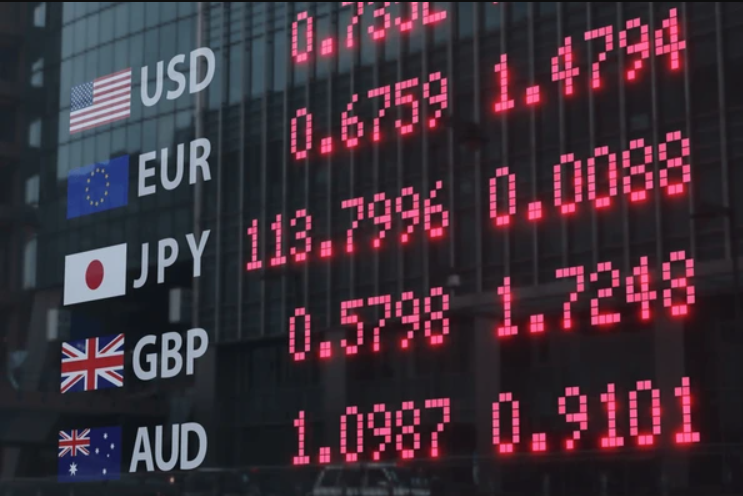
The foreign exchange market (Forex or FX) is the largest financial market in the world, with daily trading volumes exceeding $7 trillion. Unlike stock exchanges that are centralised, forex operates over-the-counter (OTC), meaning participants trade directly with each other through banks, brokers, or electronic platforms.
But who exactly makes up this massive global market? Let’s break down the main players that drive liquidity, influence prices, and create opportunities for traders at every level.
Understanding the Forex Market Landscape
The forex market brings together a wide variety of participants, each with different motivations. Some aim to stabilise their national currency, while others hedge business risks or seek profit through speculation. Together, they form a dynamic ecosystem where supply and demand constantly shape currency values.
Major Participants in the Forex Market
Central Banks and Governments
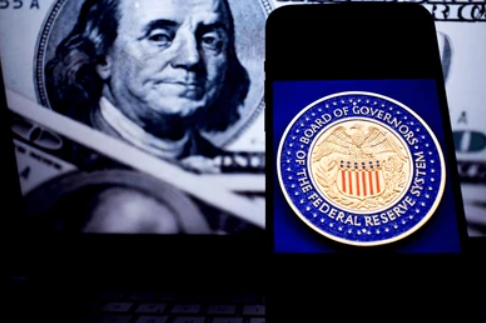
Central banks (such as the Federal Reserve, European Central Bank, or Bank of Japan) are among the most influential players.
- Role: Implement monetary policy, control inflation, and maintain currency stability.
- How they participate: Adjust interest rates, intervene directly by buying or selling currency, and manage reserves.
- Impact: Their decisions can trigger major price swings in currency pairs.
Commercial Banks and Financial Institutions
Large commercial banks (e.g., JPMorgan Chase, HSBC, Citibank) act as the backbone of forex trading.
- Role: Facilitate transactions for clients, provide liquidity, and engage in proprietary trading.
- How they participate: Execute trades for businesses, investors, and hedge funds.
- Impact: They handle the bulk of daily forex volume, shaping short-term price movements.
Corporations and Businesses
Global companies involved in international trade are also active participants.
- Role: Manage currency exposure from cross-border sales, imports, and investments.
- How they participate: Use forex to hedge risks — for example, an exporter may lock in an exchange rate to protect against future currency fluctuations.
- Impact: They add consistent demand and supply pressure to currency markets.
Hedge Funds and Investment Managers
Hedge funds, asset managers, and other investment firms often trade forex to generate returns.
- Role: Speculate on currency movements, diversify portfolios, and seek arbitrage opportunities.
- How they participate: Execute large trades using advanced strategies and leverage.
- Impact: Their high-volume positions can create noticeable volatility in the short term.
Retail Traders
Thanks to online platforms and brokers, individual traders are now able to access the forex market directly.
- Role: Trade for personal profit by speculating on currency price changes.
- How they participate: Use leverage via brokers, often with smaller trade sizes compared to institutions.
- Impact: While their share of global volume is smaller, retail trading has grown significantly and adds to overall market liquidity.
Brokers and Market Makers
Brokers serve as the bridge between retail traders and the broader market.
- Role: Provide trading platforms, access to liquidity, and order execution.
- How they participate: Earn revenue from spreads and commissions; some also act as market makers to provide constant bid and ask prices.
- Impact: Without brokers, retail traders would have no direct access to the market.
Why Understanding Participants Matters for Traders
For a retail trader, knowing who drives the market is more than theory — it’s strategy.
- Price movements are often driven by institutional flows.
- Central bank announcements can create opportunities or risks.
- Corporate and hedge fund activity explains large spikes or long-term trends.
By recognising the different motivations behind each participant, retail traders can better interpret market behaviour and adjust their strategies accordingly.
Final Thoughts
The forex market thrives because of its diverse participants — from central banks and multinational corporations to hedge funds, brokers, and retail traders. Each group contributes to the liquidity, volatility, and complexity that make forex both challenging and full of opportunity.
Whether you are a beginner or an experienced trader, understanding the roles of these players is key to navigating the world’s most active financial market with confidence.
FAQs
Who are the biggest players in the forex market?
Commercial banks and central banks dominate forex trading, handling the majority of daily transactions.
Do retail traders impact the forex market?
Retail traders account for a smaller share of total volume but contribute to liquidity and market activity, especially during peak trading hours.
Why do central banks trade forex?
Central banks intervene to manage inflation, stabilise their national currency, and support economic policy.
What role do corporations play in forex trading?
Corporations use forex mainly to hedge risks from international trade and protect profit margins from currency fluctuations.
Read more articles