The Reserve Bank of Australia’s Monetary Policy Explained
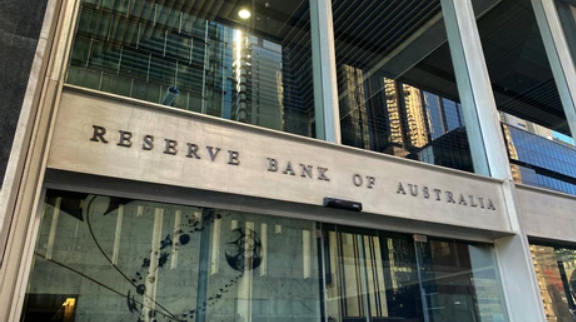

The Reserve Bank of Australia (RBA) plays a pivotal role in shaping the nation's economic landscape through its monetary policy. Unlike fiscal policy, which involves government spending and taxation, monetary policy is the process by which a central bank manages the supply of money and interest rates to influence economic activity. The RBA's decisions affect everything from inflation rates to employment levels, making it essential for students and aspiring economists to grasp its mechanisms and objectives.
The RBA's Monetary Policy Objectives
The RBA's primary objectives are:
- Price Stability: Maintaining consumer price inflation between 2% and 3% over the medium term.
- Full Employment: Achieving the highest level of employment consistent with stable inflation.
- Economic Prosperity and Welfare: Contributing to the economic well-being of the Australian people.
These goals are enshrined in the Reserve Bank Act 1959, guiding the RBA's policy decisions to foster a stable economic environment.
The Cash Rate: The RBA's Primary Tool
At the heart of the RBA's monetary policy is the cash rate, the interest rate on overnight loans between commercial banks. This rate influences other interest rates in the economy, including those on mortgages, savings accounts, and business loans. By adjusting the cash rate, the RBA can influence economic activity:
- Raising the cash rate: Makes borrowing more expensive, slowing down consumer spending and investment, which can help reduce inflation.
- Lowering the cash rate: Makes borrowing cheaper, encouraging spending and investment, which can stimulate economic growth.
The RBA sets a target for the cash rate and conducts open market operations to achieve this target, thereby influencing the broader economy.
Implementing Monetary Policy: Tools and Mechanisms
While the cash rate is the primary tool, the RBA employs several other instruments to implement its monetary policy:
- Open Market Operations (OMOs): The RBA buys or sells government securities in the open market to manage the supply of money and influence short-term interest rates.
- Forward Guidance: The RBA provides information about its future policy intentions to influence expectations and economic decisions.
- Quantitative Easing (QE): In extraordinary circumstances, the RBA may purchase longer-term securities to inject liquidity into the economy.
These tools work in tandem to ensure that the RBA's policy objectives are met.
Transmission Mechanism: How Policy Affects the Economy
Changes in the cash rate affect the economy through various channels:
- Interest Rates: Adjustments to the cash rate influence the interest rates charged by banks, affecting consumer and business borrowing costs.
- Exchange Rates: Interest rate changes can influence the value of the Australian dollar, impacting exports and imports.
- Asset Prices: Changes in interest rates can affect the prices of assets like housing and stocks, influencing wealth and spending behavior.
- Expectations: The RBA's actions and communications shape expectations about future economic conditions, influencing current economic decisions.
These channels collectively transmit the effects of monetary policy throughout the economy.
Recent Developments and Policy Adjustments
As of September 2025, the RBA has reduced the cash rate three times during the year, each by 25 basis points, bringing it to 3.60%. This decision reflects the RBA's response to evolving economic conditions:
- Inflation: Underlying inflation is currently at 2.7%, approaching the RBA's target range of 2–3%.
- Economic Growth: Consumer spending has shown signs of recovery, contributing to the fastest annual economic growth in nearly two years.
- Employment: Employment levels are expected to remain stable, with the labor market showing resilience.
Despite these positive indicators, the RBA remains cautious, acknowledging risks such as potential labor market disruptions and global economic uncertainties.
The RBA's Decision-Making Process
The RBA's monetary policy decisions are made by the Monetary Policy Board, which meets regularly to assess economic conditions and determine the appropriate stance of policy. The Board considers a wide range of economic data, including inflation rates, employment figures, and global economic developments, to inform its decisions.
Transparency is a key aspect of the RBA's approach. After each meeting, the Board releases a statement outlining its policy decision and the rationale behind it. Additionally, the Governor holds a media conference to further explain the decision and answer questions from the public and media.
Implications for Students and Future Economists
Understanding the RBA's monetary policy is crucial for students and aspiring economists for several reasons:
- Economic Analysis: Knowledge of monetary policy enables a deeper understanding of economic conditions and trends.
- Policy Evaluation: Students can assess the effectiveness of monetary policy decisions and their impact on various sectors of the economy.
- Career Opportunities: A solid grasp of monetary policy is essential for careers in economics, finance, and public policy.
By studying the RBA's monetary policy framework, students can develop critical analytical skills and a comprehensive understanding of how central banks influence economic outcomes.
Conclusion
The Reserve Bank of Australia's monetary policy is a cornerstone of the nation's economic stability. Through its management of the cash rate and other tools, the RBA influences inflation, employment, and overall economic activity. For students, comprehending the intricacies of the RBA's policy decisions provides valuable insights into the functioning of the economy and the role of central banks in shaping economic outcomes.
Read more articles