Understanding Price Action in Gold Trading
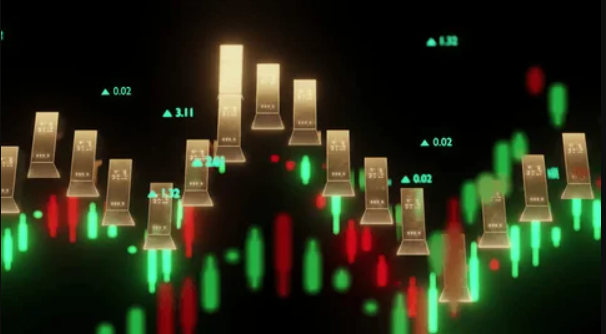
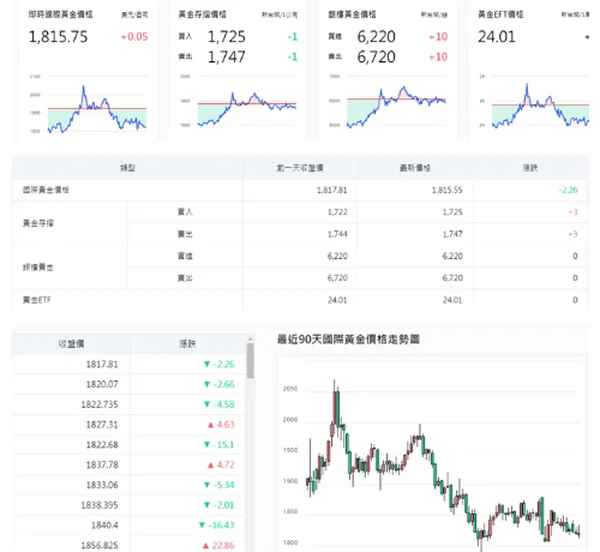
Gold trading offers opportunities for profit in both short-term and long-term market movements. One effective approach used by traders is Price Action trading, which focuses on interpreting price patterns rather than relying heavily on technical indicators. This article will explore how Price Action can help traders understand initial daily movements in the gold market and make informed decisions.
1. What is Price Action Trading?
Price Action trading is a strategy that relies solely on price patterns, candlestick formations, and market behaviour to make trading decisions. Unlike traditional methods, it does not depend on trend-setting indicators like moving averages or Bollinger Bands, nor on contrarian indicators such as the KD (Stochastic) indicator.
For gold trading, Price Action helps traders identify initial price fluctuations, which often set the tone for the day’s market movement. By entering trades during these early fluctuations, traders can potentially capitalize on the ensuing trend.
2. The Role of Candlestick Patterns
Candlestick charts are fundamental to price action trading. Traders analyze the opening and closing prices of each candlestick, along with its high and low, to assess market momentum and identify potential trading opportunities:
- Bullish Candlestick: Indicates buying pressure in a rising market. It forms when the closing price is higher than the opening price within the same candlestick. Traders may consider entering a long position if the candlestick appears at a key support level or within a bullish pattern, such as a hammer or bullish engulfing.
- Bearish Candlestick: Signals selling pressure in a declining market. It occurs when the closing price is lower than the opening price within the same candlestick. Traders may consider entering a short position if the candlestick forms near a resistance level or as part of a bearish pattern, like a shooting star or bearish engulfing.
By carefully observing these relationships, traders can anticipate whether the market is likely to continue moving in the same direction.
3. The BarUpDn Strategy: A Practical Example
One common method for applying Price Action in gold trading is the BarUpDn strategy. This strategy identifies early trend changes and provides clear entry and exit points:
Entry Signals:
- Long Position: When the current candlestick is bullish and its opening price is above the previous candlestick’s close.
- Short Position: When the current candlestick is bearish and its opening price is below the previous candlestick’s close.
Profit Taking: Traders may exit once the next opposing signal appears or set predefined profit targets within the price range.
Stop Loss: To protect capital, stop-loss orders should be placed if the market reverses unexpectedly, with the level determined according to individual risk tolerance and market conditions.
This simple approach allows traders to capture the initial momentum of the gold market, increasing the likelihood of entering profitable trades.
4. Steps for Implementing Price Action Trading in Gold
Here’s a step-by-step guide for applying Price Action with the BarUpDn concept:
- Monitor Daily Candlesticks: Observe the relationship between the current and previous day’s candlestick. Identify bullish or bearish patterns.
- Enter the Trade: Take a long or short position based on the opening price relative to the previous candlestick.
- Set Stop-Loss Orders: Protect your capital in case the market moves against your position.
- Take Profit Strategically: Close your position when a reversal signal appears or within a predefined price range.
- Review and Adapt: Evaluate each trade to refine timing and decision-making for future opportunities.
5. Key Advantages of Price Action Trading in Gold
- Simplicity: Focuses on price patterns rather than complex indicators.
- Early Trend Detection: Captures the initial movements, which often lead to stronger daily trends.
- Flexible: Can be applied in various timeframes, from daily charts to shorter intraday sessions.
- Risk Management: Clear entry, exit, and stop-loss rules help protect capital.
Conclusion
Price Action trading provides a clear, disciplined approach to trading gold. By focusing on initial price fluctuations, observing candlestick patterns, and following straightforward strategies like BarUpDn, traders can improve their timing and potentially profit from market trends.
While the strategy is simple, patience, discipline, and strict stop-loss management are essential. Mastering Price Action allows traders to navigate the gold market with confidence and make informed trading decisions.
Read more articles